Waste and recycling businesses are investing in more circular economy initiatives meant to transform otherwise-disposed materials into new resources and new revenue streams.
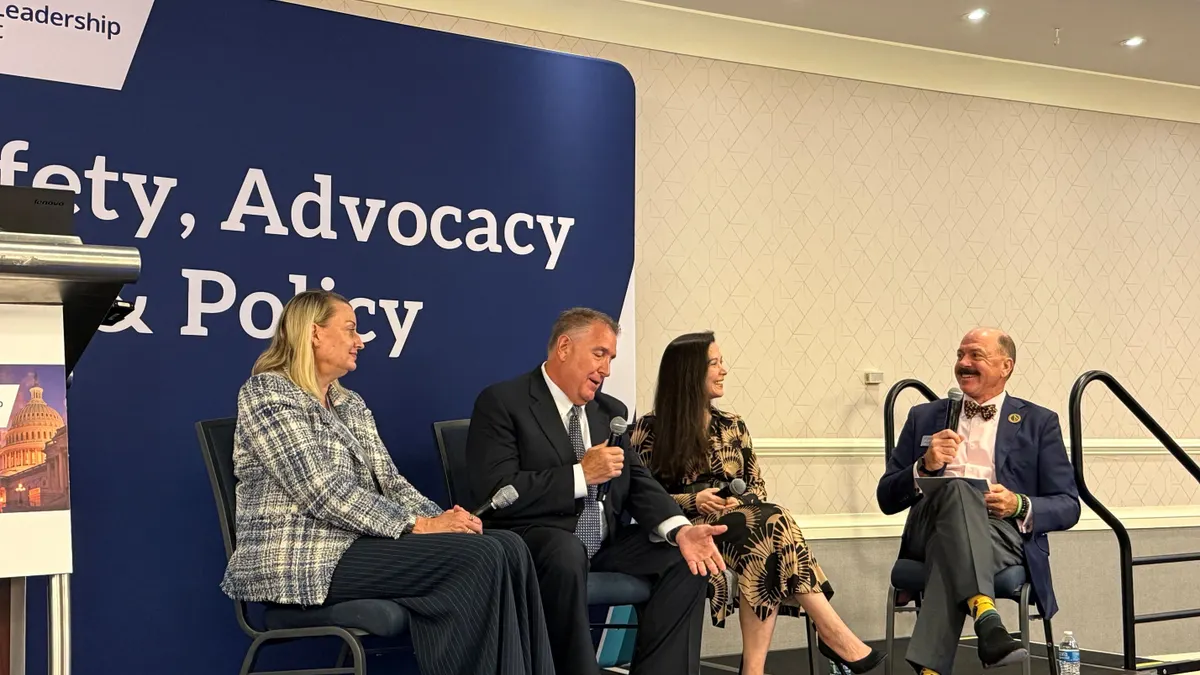
These innovations have boosted business, but they also come with ongoing consumer outreach and commodity market challenges, said speakers at a circular economy panel at the Waste Leadership Summit, held June 8-10 in Washington, D.C.
Building and keeping consumer trust
Businesses pursuing new circular economy investments are doing so at a time when consumer trust is on shaky ground, speakers said. That’s partly due to doubt about whether the items left at the curb really get recycled, or concerns about how waste and recycling companies run their other operations, such as landfills.
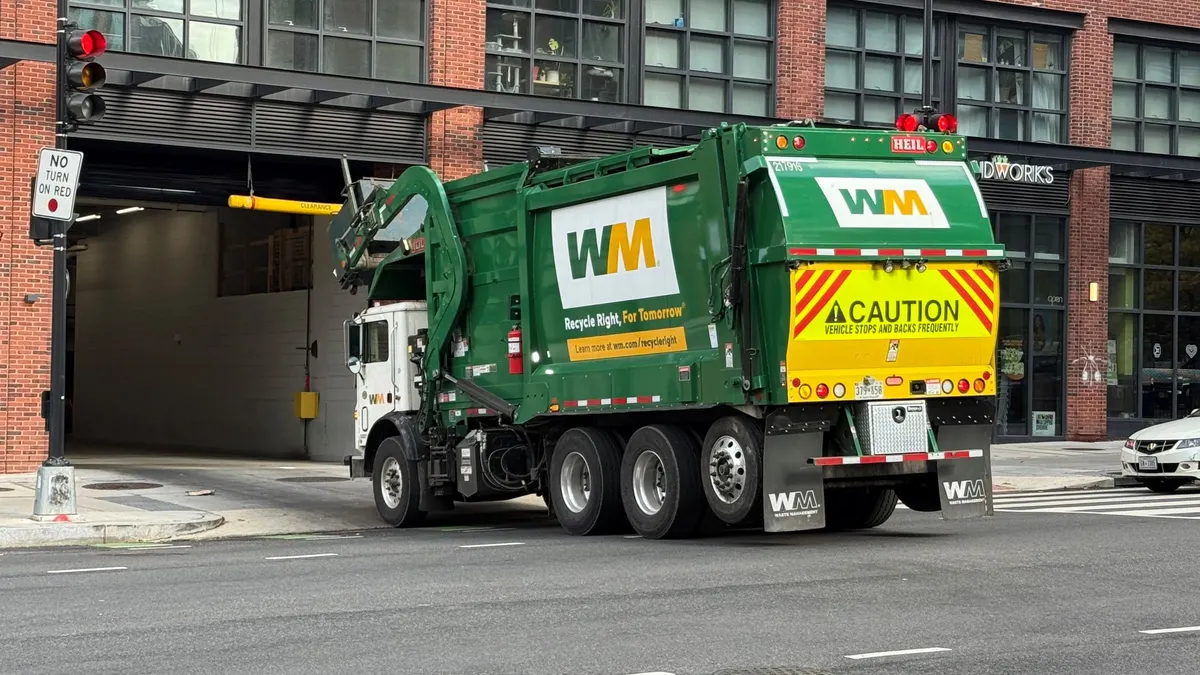
“There's not a lot of trust in recycling, and I think part of the problem is we have such great stories to tell as an industry, we're just not great at telling the stories,” said Tara Hemmer, WM’s chief operating officer.
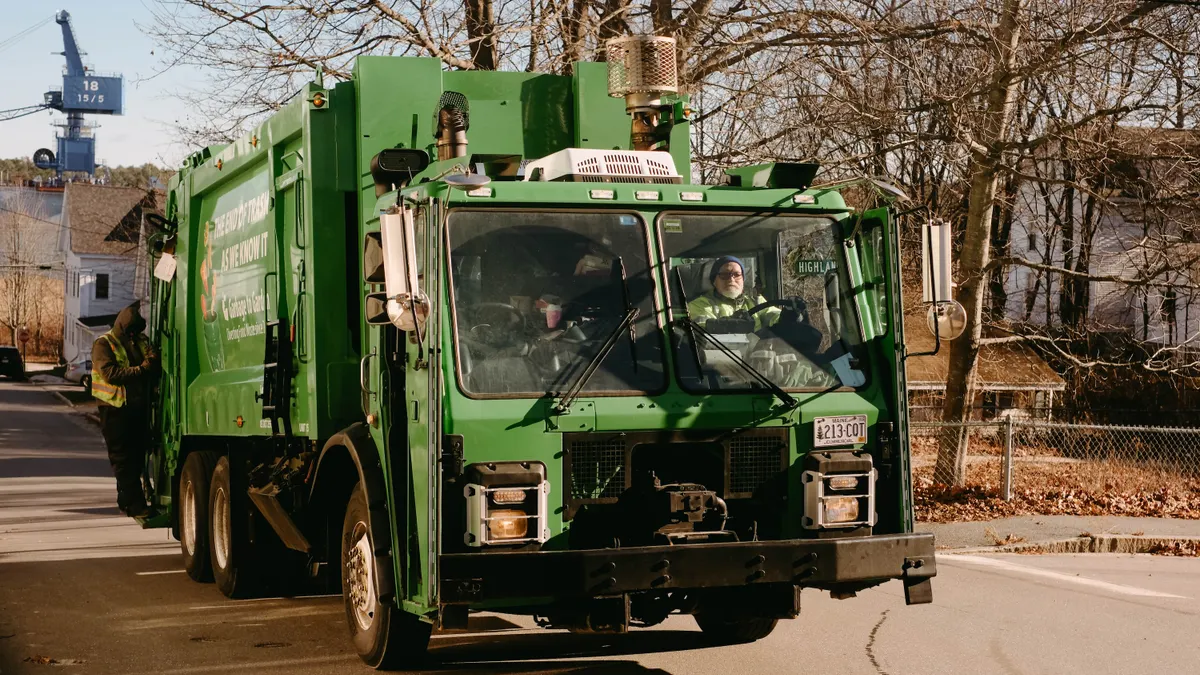
Numerous companies use compressed natural gas to power their collection trucks, which some customers don’t know is commonly derived from landfill gas, she said. “Yesterday’s trash could be fueling that truck tomorrow, and there’s no greater circularity story than that.”
Jessica Long, chief strategy officer for Closed Loop Partners, noted that it’s also important to drive home that the circular economy creates real economic impacts. Food waste diversion is a prime example, she said, because it drives sectors such as composting and anaerobic digestion for generating renewable energy. These kinds of projects are “not just less waste, you're actually creating more economic value, because now we've created a new product with new jobs, new manufacturing,” she said.
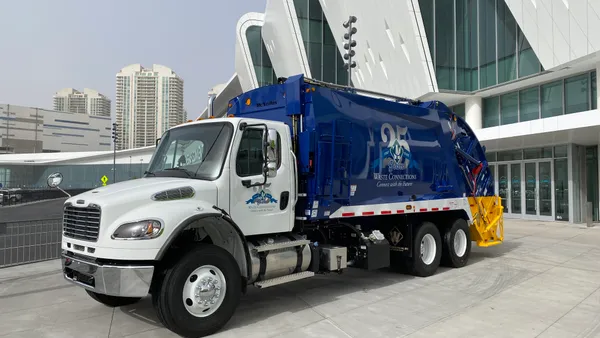
The waste and recycling industry understands the value of these kinds of investments, but demonstrating that to customers must go beyond a few anecdotes, cautions Dan Kurtz, vice president of recycling and resource recovery at Waste Connections. “Don’t virtue signal. Do it because it’s the right thing, do it because it works and creates value to get back into the economy again.”
Tackling recycling beyond the curb
Consumers are partners in the circular economy because they’re constantly deciding what to do with their discarded food packaging and other materials. Major waste and recycling companies have long focused on optimizing curbside collections, but away-from-home recycling may serve as the bigger circular economy challenge, speakers said.
When a recycling option isn’t available, particularly in a public space like a school stadium, gas station or airport, they’re not given much of a choice but to throw a highly recyclable item like a plastic water bottle in the trash, Hemmer said.
“Even though people know that those materials are recyclable, if it's not easy for them in the moment that matters, they're going to make a different decision,” Hemmer said.
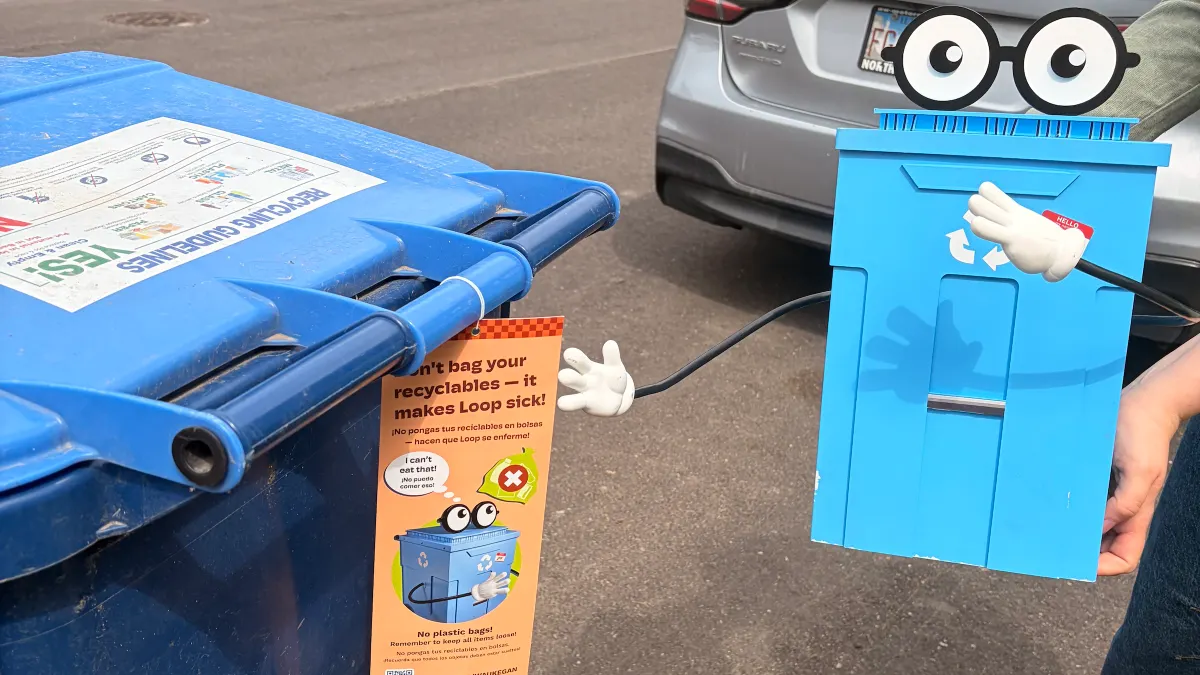
Public education is still very important, speakers said, but messaging about recycling correctly can only go so far in places where consumers already have limited or inconvenient options.
This could be an opportunity to take advantage of newer technologies, such as MSW processing systems that can separate curbside trash into mixed recyclables, organics and residue streams, Long said.
“We can do a lot more with mixed streams and with single-stream technology today,” Long said, noting the technology can take in higher volumes of materials and sort materials at very high quality levels compared to technology available five or 10 years ago. “Do we need to have a separate recycling stream everywhere all the time? Can we do more to tackle MSW and get more valuable materials out of that mixed waste stream? Are there solutions like that that make it easier for the consumer, make it less dramatic that there are no recycling containers in a lot of away-from-home locations?”
Stabilizing end markets
Recyclers have long weathered the ebbs and flows of commodity markets, but drastic changes to domestic rPET markets have caused additional strain lately.
“At the end of the day, for the circular economy to work, there has to be demand for the products that are being generated, and that is a bit of a challenge at the moment for some of the commodities that are in our streams,” Hemmer said.
Recyclers and reclaimers continue to grapple with weakened end market demand due to cheaper overseas imports and stiff competition from virgin resin prices. This prolonged pressure on the rPET industry is leading to the closure of numerous reclaimers in the last year.
At the same time, recycling advocacy and trade groups such as NWRA and SWANA have testified on the issue of foreign imports of PET to the U.S. Trade Representative, which earlier in May hosted a series of Section 301 public hearings. Recycling groups say overcapacity in certain countries is causing a flood of imports to the U.S., unfairly undercutting rPET prices in the U.S.
Policy levers like minimum recycled content legislation have helped drive demand somewhat, but those policies don’t currently require packaging producers to source that recycled content from domestic sources, Hemmer said.
“The reality is the PET industry in North America is in crisis. We've lost 25% of the processing capacity for PET to go bottle to bottle in one year, in one year, because frankly, the brands are buying from other sources that are not domestic,” Hemmer said.
Policy makers, business leaders and others in the value chain can advocate for more policies that specifically link recycled content mandates with supplies that come from domestic sources, Long added. “That is a very honestly easy way to ensure that there is demand and long-term demand for products, and to ensure that that demand is the basis upon which companies and processors can actually build the infrastructure required to process that material,” she said.
Disclosure: Informa, which owns a controlling stake in Informa TechTarget, the publisher behind Waste Dive, is also the owner of the Waste Leadership Summit. Informa has no influence over Waste Dive’s coverage.