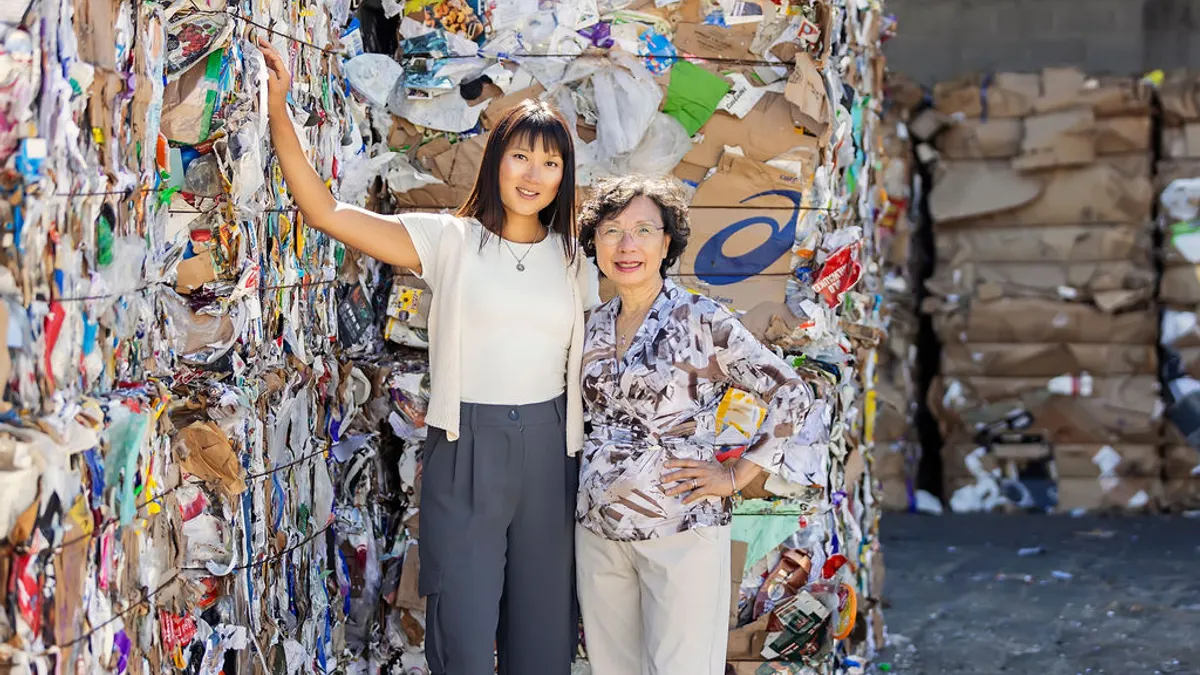
Rumpke Waste & Recycling’s MRF sorting upgrades have helped fuel its partnership with polypropylene recycler PureCycle. The two companies see ongoing collaborations as a key way to support polypropylene end markets.
Speakers from Rumpke, PureCycle and packaging producer IPL Schoeller discussed their partnership during a webinar hosted by the Stewardship Action Foundation and National Stewardship Action Council last week.
The companies focused on how technologies like artificial intelligence-powered MRF upgrades and polypropylene dissolution have helped generate postconsumer recycled content resin, which packaging companies need to fulfill recycled content and extended producer responsibility mandates.
Improving PP sortation
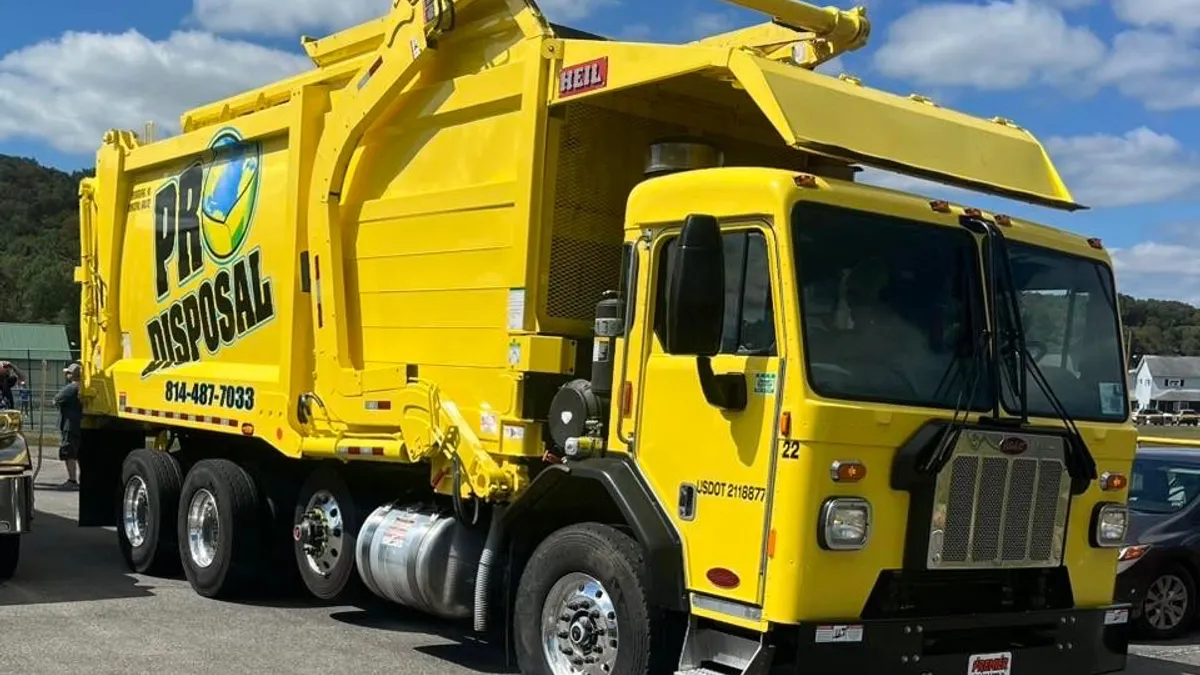
Rumpke has invested heavily in MRF equipment upgrades in recent years, which the company credits for enhancing its relationships with end market buyers.
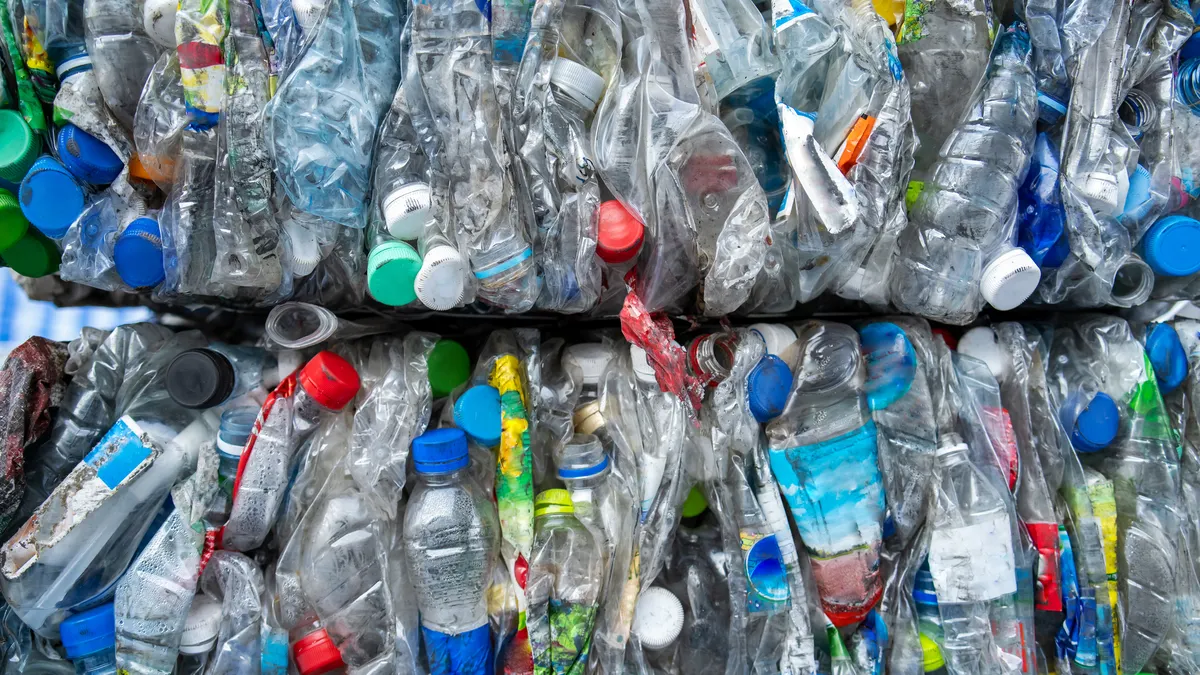
The company invested in equipment back in 2021 to specifically improve its PP sortation capabilities, with help from a grant via The Recycling Partnership’s Polypropylene Recycling Coalition. In the years since then, Rumpke has processed about 8,200 tons of polypropylene, averaging around 350 tons a month, said Rob Kurtz, a marketing specialist at the company.
Rumpke later invested $100 million to open its new Columbus, Ohio, MRF in 2024. It has a range of recycling equipment to target multiple kinds of materials, including PP.
“What we found by utilizing the newer technology is we are able to sort more efficiently and effectively,” especially for PP, which Rumpke can “capture at about a 98 to 99% effective rate,” Kurtz said.
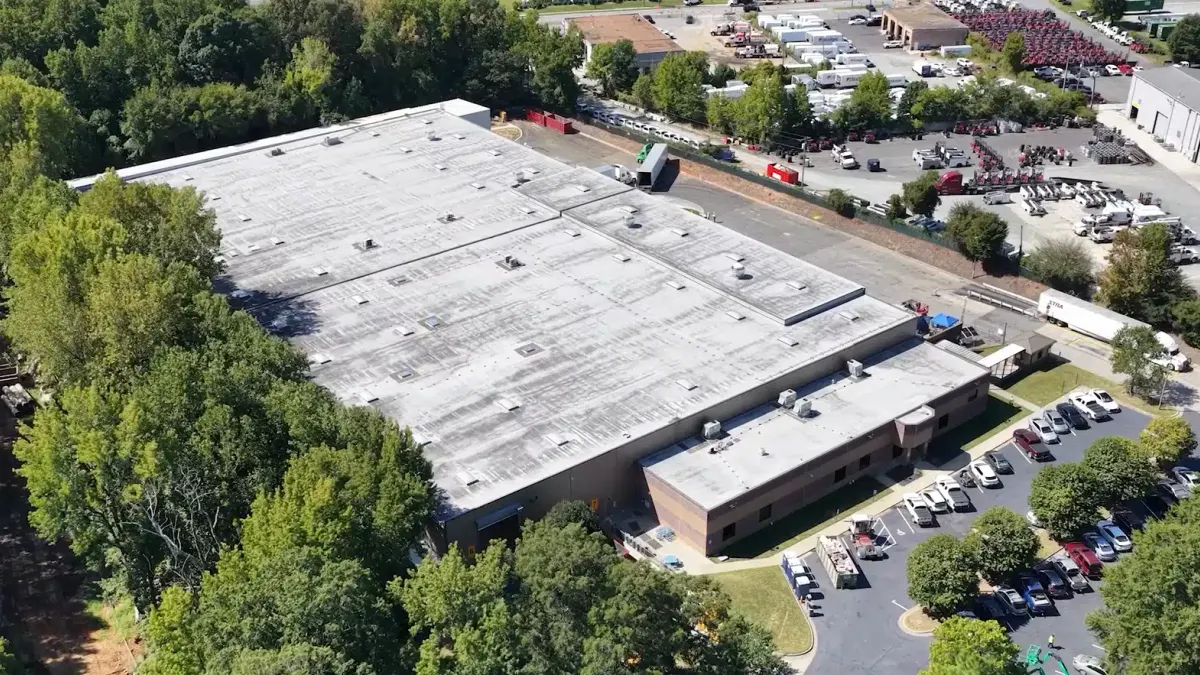
The company now plans to invest between $55 million and $60 million to upgrade its Cincinnati facility, he said. That facility is about 14 years old and needs some updates to more efficiently sort all kinds of materials, he said.
The plan includes adding some optical sorters and other AI-powered equipment, as well as expanding the footprint of the facility to add a bigger tip floor, warehouse space and “more docks for our shipping department to help us get all of that material back out into the circular economy.”
Rumpke aims to send its recycled materials within a 250-mile radius of its facilities, with about 80% of the materials going to Ohio-based companies, according to its website.
Recycled resin process
Rumpke’s sortation upgrades over the years have given PureCycle a high-quality feedstock to make its PureFive resin at its facility in Ironton, Ohio, said Christian Bruey, PureCycle’s director of sustainability and external affairs. PureFive is a product made from recycled PP using a dissolution process, and it is currently used in applications such as food containers.
PureCycle has offtake agreements with several recycled PP bale suppliers, but it says Rumpke’s sortation investments have yielded bales that are typically higher quality than some of PyreCycle’s other sources.
“Not everybody has the latest and greatest technology like Rumpke does at the Columbus MRF,” Bruey said.
Lower-quality bales are typically sent to PureCycle’s Denver, Pennsylvania, secondary sortation facility, where incoming bales made up of about 70% PP are transformed into to bales that are about 95% PP, he said.
The Ironton facility, which has a capacity to process about 107 million pounds a year, recently brought its compounding site online to produce up to 100 million pounds of resin.
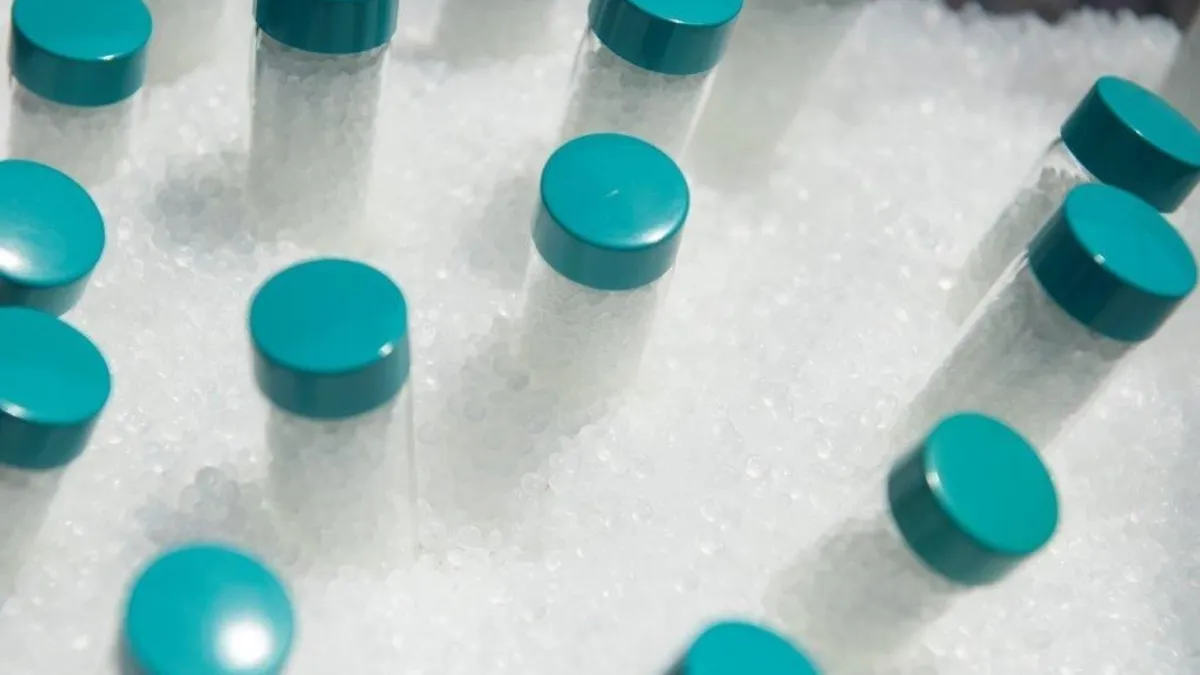
PureCycle’s process dissolves the polypropylene for purification then resolidifies it as a PP pellet. PureCycle does not consider itself to be a chemical recycling company. Bruey says that distinction is important because their process is not a depolymerization process like some other companies under the chemical recycling umbrella.
PureCycle says it also does not rely on mass balance credits to count as a recycled resin.
“There are no mass balance credits that we need to sell. The pellet that we sell is the recycled content,” Bruey said.
Packaging applications
Chemical recycling has been the subject of increased scrutiny from environmental groups that have called for the industry to be more tightly regulated and more transparent about its operations and output. At the same time, the industry is receiving more pointed support from the U.S. EPA.
Bruey said PureCycle is mainly focused on using its dissolution process as a tool for putting more PCR into the market. The PureFive resin is being used in applications such as lids for hot drinks and in specialty sports drink cups at stadiums.
IPL Schoeller is using the resin for food-contact packaging, including for pickle containers that have 25% PureCycle-sourced recycled content. It also makes clear tubs for deli meats and other foods that use 20% food-grade recycled PP.
The PureFive pellets help IPL Schoeller meet specific recycled content and extended producer responsibility related targets, said Melissa Vettleson, a sustainability and materials engineer for the company.
IPL Schoeller is a registered producer for Oregon’s EPR program. It also sells food containers in New Jersey, which has a statewide recycled content mandate for some types of rigid plastic packaging, she said.
Rumpke’s attention to bale quality and PureCycle’s dissolution technology have helped IPL Schoeller feel secure about its PCR partnership, Vettleson said. The two companies have been able to get the material “to a state where it is that consistent quality that we can rely on, a state that's going to work in our process and provide a very high level of food safety," she said.